
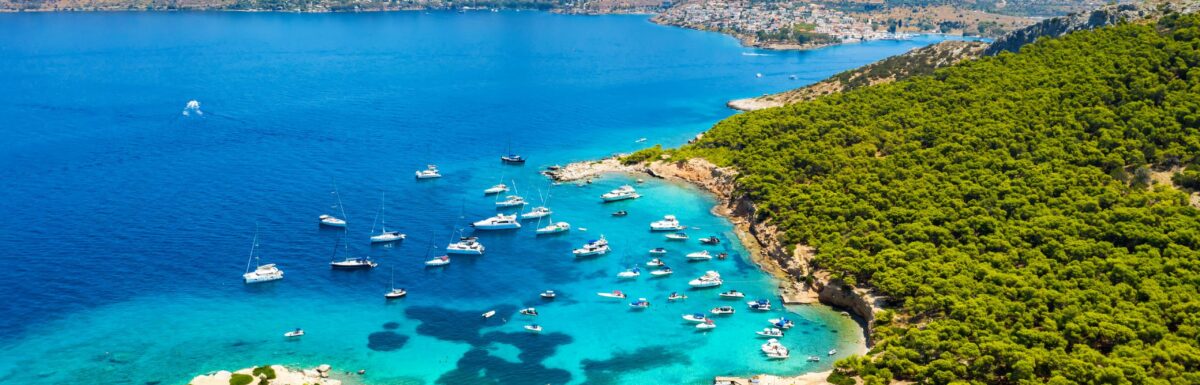
Aegina, a picturesque Saronic island in Greece, has long been a favourite destination for visitors and Athenians alike, owing to its rich history, old-world charm, and mouth-watering pistachios.
Located a mere 40 minutes away from Athens by boat, this beautiful island boasts an array of archaeological monuments, quaint villages, and stunning beaches. Its seafront main town is known for its striking neoclassical architecture, providing a delightful backdrop for a leisurely stroll.
Beyond its bustling port, Aegina possesses the seductive and laid-back character befitting a typical Greek island. Yet, it sets itself apart by offering an abundance of prestigious ancient sites to explore.
Weekending Athenians mingle with easygoing locals and island-dwelling commuters, giving Aegina a unique atmosphere that feels both timeless and cosmopolitan.
For those considering a visit to Aegina, it’s worth pairing the journey with a trip to the equally enchanting nearby island of Agistri.
With its close proximity to Athens, fascinating historical monuments, and captivating landscapes, Aegina provides the perfect setting for a memorable Greek escape.
How to Get to Aegina
Aegina, a beautiful Greek island, is a popular destination for travellers due to its proximity to Athens. In this section, we’ll discuss various ways to reach Aegina, including ferries from Piraeus, as well as private boats and yachts.
Ferries from Piraeus
The most common and convenient way to reach Aegina is by taking a ferry from the Port of Piraeus in Athens. Multiple ferries operate daily, providing flexibility for travellers. There are two options for ferry tickets:
- Flying Dolphin: This is the fastest option, with a 30-minute journey. The ticket price is approximately 15 euros.
- Slower ferries: For a more economical choice, slower ferries are available at around 8 euros per ticket. The travel time for these ferries is roughly an hour.
Remember to check the ferry schedule in advance and book tickets online for a hassle-free experience.
Private Boats and Yachts
For those who prefer a more luxurious and private experience, private boats and yachts are available for hire. This option allows visitors to explore Aegina at their own pace and visit surrounding islands as well. Prices for private boat rentals vary depending on the size and type of the boat, as well as the duration of the rental.
In summary, travellers can easily reach Aegina from Athens, either by regular ferries or by renting private boats and yachts. The island’s accessibility, combined with its beautiful landscapes and rich history, make it a must-visit destination for anyone venturing to Greece.
Top Attractions in Aegina
Temple of Aphaia
The Temple of Aphaia is an ancient temple dedicated to the goddess Aphaia, located on a hill with stunning views of the Saronic Gulf. This remarkable 5th-century sanctuary is one of the must-visit sites on Aegina island. Visitors can admire the well-preserved Doric architecture and feel the ancient atmosphere while exploring the temple grounds. The site also features a small museum with artefacts and information about the history of the temple and the goddess Aphaia.
Agios Nektarios Monastery
The Agios Nektarios Monastery is a beautiful religious site that honours Saint Nektarios, the patron saint of Aegina. The impressive monastery complex includes a large church with a magnificent dome, a smaller chapel dedicated to St. Nektarios, and a peaceful courtyard with lush greenery. Visitors can learn more about the saint’s life and miracles through the icons and relics displayed in the church.
Archaeological Museum of Aegina
The Archaeological Museum of Aegina offers a fascinating insight into the island’s rich history. Established in 1828, it is one of Greece’s oldest museums, housing impressive collections of artefacts from various excavations on the island. Key exhibits include:
- Pottery: A wide range of ceramic objects from the prehistoric to the Hellenistic period
- Sculpture: Notable ancient Greek sculptures, such as the famous Aphaia pediments and a marble statue of Apollo
- Inscriptions: Important inscriptions detailing the laws and religious practises of ancient Aegina
Visiting these top attractions will undoubtedly enrich your experience while exploring the enchanting island of Aegina.
Beaches and Swimming Spots
Aegina, a picturesque island in Greece, boasts beautiful beaches and swimming spots that will make your vacation memorable. In this section, we will explore three of the most popular beaches on the island: Marathonas Beach, Agia Marina Beach, and Perdika Beach.
Marathonas Beach
Marathonas Beach is a lovely spot located on the southern side of Aegina. This family-friendly beach is known for its crystal-clear waters and golden sands, making it perfect for a relaxing day by the sea. Here, you can:
- Sunbathe on the clean, soft sand
- Dive into the refreshing waters for a revitalising swim
- Visit nearby taverns for a taste of authentic Greek cuisine
Agia Marina Beach
Agia Marina Beach is another popular destination on Aegina island. This well-organised beach offers an array of facilities and activities to suit all tastes. At Agia Marina Beach, you will find:
- Watersports centres offering various kinds of water-based activities
- A wide range of hotels, bars, and restaurants along the beachfront
- Shallow waters and fine sand, making it ideal for a day out with the kids
Perdika Beach
Perdika Beach is a charming, unspoilt part of Aegina that offers a more tranquil, natural experience. Located in the traditional village of Perdika, this beach is perfect for those seeking a more secluded and peaceful spot to enjoy the beauty of Aegina. While visiting Perdika Beach, be sure to:
- Explore the picturesque village of Perdika and its local shops and taverns
- Marvel at the serene beauty of the surrounding landscape
- Immerse yourself in the clear, calm waters for a rejuvenating swim
With their stunning natural beauty and tranquil vibes, Marathonas Beach, Agia Marina Beach, and Perdika Beach are sure to make your visit to Aegina unforgettable.
Aegina’s Local Cuisine
Aegina is a beautiful Greek island that offers a rich variety of local cuisine. With its close proximity to Athens, fresh seafood, and delicious traditional dishes, dining on Aegina is an unforgettable experience. In this section, we will explore the popular dishes to try, recommended restaurants and tavernas.
Popular Dishes to Try
- Fresh Seafood: Aegina is known for its fresh seafood, with dishes such as grilled octopus and fish, providing a true taste of the Mediterranean.
- Pistachios: As one of the largest producers of pistachios in Greece, one must indulge in Aegina’s famous roasted pistachios, used in many dishes and desserts.
- Dolmadakia: These grape leaves stuffed with rice and herbs are a popular meze dish on Aegina – a tasty vegetarian option for visitors.
Recommended Restaurants and Tavernas
- Kappos Etsi: Since 2009, Kappos Etsi has been an important part of Aegina’s food culture, serving Greek cuisine, blending traditional ingredients, and flavours in a picturesque side street on the island.
Remember to explore different restaurants and tavernas while visiting Aegina, as there is a wealth of delicious local cuisine waiting to be discovered.
Enjoy the flavours and ingredients of this stunning Greek island, and create unforgettable memories through the food you taste.
Accommodation Options
In this guide to visiting Aegina, we will explore the various accommodation options available on the island. Whether you are looking for luxury or budget-friendly options, Aegina offers a wide variety to cater to every traveller’s needs.
Practical Tips for Your Visit
Best Time to Visit
Aegina is a beautiful island that can be visited at any time of the year. However, the best time to visit is from April to October when the weather is warm and sunny. During these months, tourists can enjoy outdoor activities such as swimming, sunbathing, and exploring the island. While the summer months can be busy, visiting during the shoulder seasons (April-May and September-October) can offer a more relaxed experience with pleasant weather.
Local Currency and Payments
The currency used in Aegina is the Euro (€). It’s essential to have some cash on hand, as some smaller shops, restaurants, and public transport may not accept credit cards. However, larger establishments and popular tourist spots will typically accept major credit cards. Keep in mind that there might be some ATM fees, so it’s a good idea to check with your bank before travelling.
Health and Safety Tips
- Travel Insurance: When planning a trip to Aegina, it’s crucial to invest in a travel insurance policy that covers your health and well-being. This will ensure you have financial and medical support in case of emergencies or unforeseen circumstances.
- Sun Protection: When visiting Aegina during the warmer months, applying sunscreen with SPF 30 or higher is critical, as the sun can be intense during the day. Additionally, wear sunglasses, a hat, and breathable clothing to stay cool and protect your skin.
- Stay Hydrated: Consume enough water during your visit, especially in the hot summer months. Bottled water is readily available at shops across the island, but carrying your own reusable water bottle is also a sustainable option.
- Beach Safety: Enjoy Aegina’s beautiful beaches, but always be mindful of local advice and warning flags regarding swimming conditions. Always keep an eye on your belongings and avoid leaving valuables unattended at the beaches.
By following these practical tips, you’ll have a delightful and safe visit in Aegina. Enjoy the island’s rich history, sandy beaches, and delicious pistachios!
Frequently Asked Questions
How to reach Aegina?
To reach Aegina, you can take a ferry from the Port of Piraeus in Athens. The journey typically takes around 40 minutes, but be sure to double-check ferry schedules, especially during the low season, as they may be more limited.
Best beaches in Aegina?
Aegina is home to several beautiful beaches, each with its unique charm. Some popular beaches include Marathonas beach, known for its clear waters and sandy shores, and Agia Marina beach, which offers various water sports and a lively atmosphere. Be sure to explore the various bays and find your personal favourite!
Top activities in Aegina?
There are plenty of activities to enjoy in Aegina, such as visiting its archaeological monuments, exploring the picturesque villages, and admiring neoclassical architecture in the town centre. Additionally, you can try the island’s famous pistachios or participate in water sports at various beaches.
Day trip from Athens?
Aegina makes an excellent day trip from Athens due to its close proximity to the city. It takes only about an hour by ferry from Piraeus, allowing you to escape the urban environment and experience the relaxing atmosphere of a Greek island with ease.
Travelling around Aegina?
Exploring Aegina can be done by renting a bike, scooter, or car, allowing you to discover the island’s charming villages, ancient sites, and beaches at your own pace. Public buses are also available, connecting the main town to various locations around the island.
Aegina vs Agistri?
Both Aegina and Agistri are Saronic islands near Athens, offering visitors a taste of Greek island life. Aegina is larger and has more historical monuments and attractions, making it a better choice for travellers who enjoy cultural experiences. Agistri, on the other hand, is smaller, quieter, and known for its lush pine forests and tranquil atmosphere. Ultimately, the choice between Aegina and Agistri depends on your personal preferences and interests.

Born and raised on the sun-drenched island of Crete, Sofia Mavromatis is a seasoned traveler and writer with a deep-rooted love for Greece’s vibrant culture, stunning landscapes, and rich history.