Welcome to Ikaria, a captivating and largely unexplored island nestled in the Aegean Sea, Greece.
Known for its hospitable locals and laid-back atmosphere, Ikaria has gained worldwide acclaim for the longevity of its residents attributed to their healthy diet and slow-paced lifestyle.
This enchanting island offers a much-needed escape from the hustle and bustle of everyday life, inviting visitors to immerse themselves in its unique charm and natural beauty.
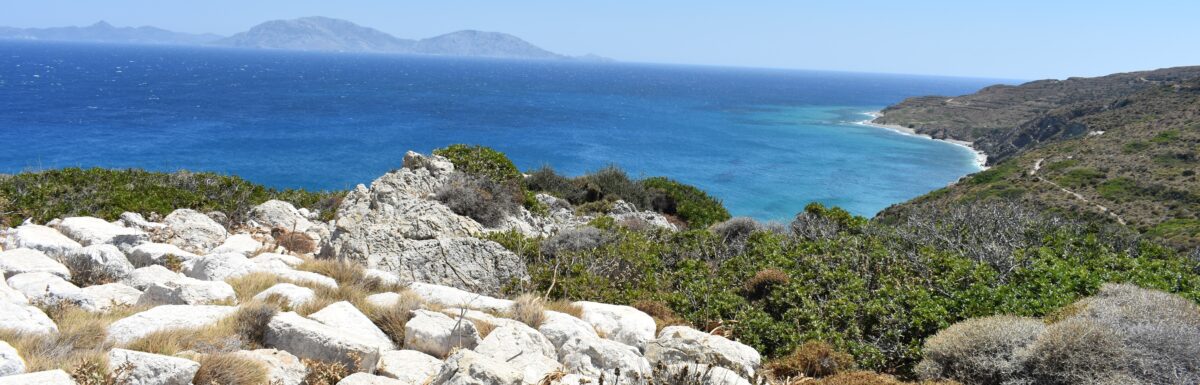
With a terrain that features dramatic forested gorges, rocky moonscapes, and hidden beaches boasting crystal-clear aquamarine waters, Ikaria’s landscape is nothing short of awe-inspiring.
The island is steeped in history and mythology, believed to be the final resting place of Icarus, the tragic hero who flew too close to the sun with his wax wings, giving the island its name.
Plan your visit to Ikaria during the summer months, between mid-May and late September, for the best experience of the island’s beauty and authenticity without being overwhelmed by crowds.
Ikaria is an enchanting destination that promises an unforgettable journey through time, nature, and tradition, making it the ideal getaway for those looking to disconnect and rediscover the simple joys of life.
Getting to Ikaria
Air Travel
One option for getting to Ikaria is by air. There are flights available from the mainland of Greece to the Ikaria National Airport. While it may not be the most popular choice, flying can be a convenient and quick way to reach the island.
Ferry Connections
The most popular way to get to Ikaria is by ferry. There are two types of ferries you can choose from – passenger ferries and car ferries. Ferry services are available from various ports in Greece, with the main port being Evdilos in Ikaria.
- Passenger ferries: These are ideal for those travelling without a vehicle, offering an affordable and comfortable way to reach the island. It is also possible to enjoy the beautiful Aegean Sea views during the journey.
- Car ferries: For those intending to bring their own vehicle, car ferries are the way to go. This enables visitors to easily get around the island and explore it at their own pace.
It’s important to compare ferry prices and book tickets in advance to ensure a smooth journey to Ikaria. The best time to visit Ikaria is during the summer months, from mid-May to late September. This is when the island enjoys its most pleasant weather and has plenty of amenities available for visitors.
Accommodation Options
Hotels and Resorts
Ikaria offers a variety of hotels and resorts to cater to the visitors’ preferences and budgets. Notable hotels include Erofili Beach Hotel, located in the picturesque fisherman’s village of Armenistis, next to the beautiful Livadi and Messakti beaches. Cavos Bay is another hotel to consider, with 63 rooms available from £65. For those seeking a more affordable option, Evon’s Rooms is an excellent choice.
Guesthouses
For travellers who enjoy a cosy and more personalised stay, guesthouses are a great alternative to hotels. Ikaria Utopia – Cusco Studios boasts large, stylishly furnished apartments with spacious terraces. This guesthouse is run by Christos, a musician and philosopher who brings a unique touch to the experience. Another popular destination is the picturesque town of Evdilos, which has 21 guesthouses to choose from.
Vacation Rentals
Ikaria offers various vacation rentals, including houses, villas, studios, and apartments, to cater to different group sizes and tastes. Whether you prefer a luxury villa by the seaside, a traditional house nestled in the mountains, or a modern apartment with all amenities, there is a rental to suit your needs. Be sure to book early to secure the best accommodation for your visit to this enchanting island.
Exploring Ikaria
Ikaria is a beautiful island in the Eastern Aegean Sea, widely known for the longevity of its inhabitants and its unique, serene atmosphere. Visiting Ikaria provides a great opportunity to explore various natural attractions, historical sites, and indulge in the laid-back way of life that characterises the island.
Natural Attractions
Ikaria is home to several natural attractions worth visiting, offering a feast for the eyes and a peaceful escape from everyday life. One such spot is Seychelles Beach, a stunning, small-sized beach with marble pebbles, emerald waters, and giant rocks smoothed by the waves. Ideal for swimming and relaxation, the beach’s beauty and unique atmosphere make it a must-visit destination.
The island is also known for its lush nature and thriving bio-diversity, with numerous hiking trails, hot springs, and a rich natural landscape worth exploring. The hot springs at Therma draw travellers from all over the world due to their therapeutic properties and natural beauty. Additionally, the island’s flora and fauna offer ample opportunities for birdwatching, photography, and nature walks around Halaris River and Ranties Forest.
Historical Sites
Ikaria’s unique history has left behind a rich cultural heritage that travellers can explore during their visit. One notable historical site on the island is Dionysus Temple, dedicated to the Greek god of wine, where ancient rituals and celebrations took place. The temple’s ruins are located in the Hristos Rahes area, where a small family-run winery, Afianes Winery, continues the island’s wine-producing legacy, having won several awards in Europe.
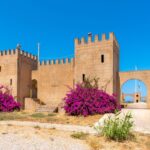
Another fascinating historical site is the Drakano Fortress, built during the Hellenistic period. The fortress is built on a hilltop overlooking the Aegean Sea and offers panoramic views of the surrounding landscape. Exploring the fortress allows visitors to delve into the island’s ancient past while enjoying the breathtaking scenery.
By taking the time to immerse oneself in Ikaria’s natural attractions and historical sites, your visit to this unique island promises to be a memorable and enriching experience, providing a true glimpse into the island’s essence and charm.
Local Cuisine
Visiting Ikaria offers more than just beautiful landscapes and a relaxed atmosphere; it also allows travellers to experience its rich and flavourful local cuisine. The island’s gastronomic offerings are unique and deeply connected to its history and the longevity of its inhabitants.
Restaurants and Tavernas
Ikaria is home to several restaurants and tavernas that serve traditional dishes made from locally sourced ingredients. A few examples include:
- O Sotiris: Known for its Mediterranean cuisine and local dishes, this restaurant offers options such as pancetta and string bean salad, along with a lively atmosphere featuring local music.
- Sto Kampi: With a focus on Greek and Mediterranean cuisine, Sto Kampi utilises fresh vegetables grown on the island in dishes that satisfy both the locals and visitors alike.
- Marymary Restaurant: This is another popular option where you can experience an authentic taste of Ikaria through its delicious dishes and cozy atmosphere.
Speciality Dishes
Ikarian cuisine has numerous speciality dishes that are worth trying during your visit. Some of them include:
- Ikarian Bulb Salad: A unique dish prepared using bulbs which are mainly served as a salad, accompanied by garlic and Ikarian wine. This dish can also be served as a soup or even grilled or boiled with meat, like potatoes.
- Honey of Ikaria: Known to the locals as “on,” Ikarian honey is considered one of the best quality honeys in Greece. It’s a perfect addition to your breakfast or a sweet treat to enjoy alongside a cup of tea.
- Lobster Spaghetti: This mouth-watering dish features fresh lobster and a flavourful sauce, making it an excellent choice for seafood lovers.
- Grilled Calamari: A popular choice among locals and tourists, this dish uses fresh calamari, perfectly seasoned, and grilled to perfection.
Whether you are eating at a restaurant or enjoying local cuisine in a traditional taverna, you’ll find that Ikarian dishes are prepared with love and passion, resulting in a dining experience that will leave you craving for more.
Outdoor Activities
Ikaria, a beautiful and unexplored island in the Aegean Sea, offers a plethora of outdoor activities that will make your visit unforgettable. From picturesque hiking trails to pristine beaches, there is something for every adventurous soul to explore on this Greek island.
Hiking Trails
One of the best ways to explore Ikaria’s stunning landscapes is by taking one of its many hiking trails. These paths will lead you through lush forests, past refreshing streams, and even to the island’s hidden waterfalls. Some popular trails include:
- The Routsma Gorge: This challenging but rewarding trek takes you through the impressive Routsma Gorge, showcasing Ikaria’s rugged beauty.
- The Halari Gorge: A relatively easy hike, this trail takes you through the lush greenery of the Halari Gorge, giving you a chance to spot some local wildlife.
- The Area of Magganitis: This trail network offers a variety of difficulty levels, leading to stunning vistas and secluded beaches. Perfect for hikers of all experience levels.
Beach Escapes
No visit to Ikaria would be complete without spending some time on its beautiful beaches. The island boasts a variety of beach options, from bustling tourist hotspots to secluded coves:
- Messakti Beach: Ideal for watersports, you can try surfing or stand-up paddleboarding at this expansive, popular beach.
- Seychelles Beach: Tucked away in a hidden cove, this picturesque beach is the perfect escape from the crowds. Accessible only by a short hike or boat trip.
- Nas Beach: Located near the ancient temple ruins of Artemis, this beach offers a blend of history and natural beauty. A favourite spot for both sunbathing and exploring.
Remember to be respectful of the environment and local customs while exploring Ikaria’s natural beauty. No matter which outdoor activities you choose, this charming island will leave you with unforgettable memories.
Cultural Experiences
Traditional Festivals
Ikaria is known for its vibrant culture, where music and dance play a significant role in the local community’s life. During your visit to the island, you’ll have the opportunity to attend traditional festivals held throughout the year. These events showcase the unique Ikariotikos dance, which is enjoyed by both locals and visitors alike. Make sure to check the local festival calendar and plan your Ikaria visit to coincide with these vibrant celebrations.
Local Arts and Crafts
While exploring the island, you’ll be delighted to discover the abundance of local arts and crafts available in Ikaria. Don’t miss the Museum of Folklore and History in Agios Kirikos, which offers a fascinating insight into the island’s traditional life. The museum displays exhibits such as traditional costumes, textiles, folk art objects, and other artefacts related to Ikaria’s cultural heritage. Additionally, Ikaria is home to various exhibitions, concerts, and theatrical performances throughout the island. These events provide a unique opportunity to immerse yourself in the rich culture and talent of the island’s local artists and performers.
Travel Tips and Safety
Best Time to Visit
Ikaria, a beautiful island in the Eastern Aegean Sea, offers pleasant weather for most of the year. The best time to visit depends on your preferences:
- For beach lovers and those looking to participate in water activities, summer months, June through September, bring sunny and warm days perfect for a beach holiday.
- If exploring the island’s lush landscapes, spring months (April and May) offer mild temperatures and blooming flora, making it a great time for hiking and outdoor activities.
Health and Emergencies
To ensure a safe and enjoyable trip to Ikaria, consider the following health and emergency tips:
- Prior to your trip, consult with your doctor about vaccination requirements and other preventative health measures.
- Carry a basic first aid kit with essential items such as band-aids, pain relievers, and any necessary prescription medications.
- Ikaria’s local cuisine is famous for its health benefits, including longevity. Try to indulge in local dishes made from fresh ingredients and consume alcohol in moderation.
- Stay hydrated, especially during the summer months, by drinking plenty of water.
In case of emergencies, here are some useful contact information:
- Emergency number: Dial 112 for any emergency service (police, fire, and ambulance)
- Local hospital: Ikaria’s hospital is located in Agios Kirikos, reachable via the following number: +30-227-502-342.
Remember to always prioritise your personal safety during your visit to Ikaria, and be sure to follow local customs and traditions.
Frequently Asked Questions
What’s the best way to reach Ikaria?
Ikaria is located in the Eastern Aegean, about 30 miles off the coast of Turkey and roughly 10 miles from the island of Samos. You can reach the island either by air or sea. Ikaria has a small airport that operates domestic flights from Athens. Alternatively, you can take a ferry from Athens, Samos, or other nearby islands to visit Ikaria. Timetables and schedules may vary depending on the time of year.
When is the best time to visit Ikaria?
The best time to visit Ikaria is during the late spring and early autumn, as temperatures are pleasantly warm and the tourist crowds are smaller. May, June, September, and October offer comfortable weather conditions for exploring the island and taking part in outdoor activities. Keep in mind that July and August can be quite hot, while the winter months may have limited services available.
What are Ikaria’s transportation options?
While on Ikaria, hiring a car or motorbike is the best way to get around the island and explore the various attractions at your leisure. Though there is a local bus service, it may not be very frequent, and the schedules can be irregular. Taxis are also available but may be in limited supply during peak season.
What are Ikaria’s most unique attractions?
Ikaria boasts several unique attractions, such as the Theoktistis Monastery, a tranquil religious site nestled in natural surroundings. Several beautiful beaches like Seychelles and Nas Beach provide idyllic spots to relax and take a dip in the crystal-clear waters. The island is also known for its longevity and healthy lifestyle, so be sure to sample the traditional Ikarian diet and take part in local customs and celebrations.

Born and raised on the sun-drenched island of Crete, Sofia Mavromatis is a seasoned traveler and writer with a deep-rooted love for Greece’s vibrant culture, stunning landscapes, and rich history.