
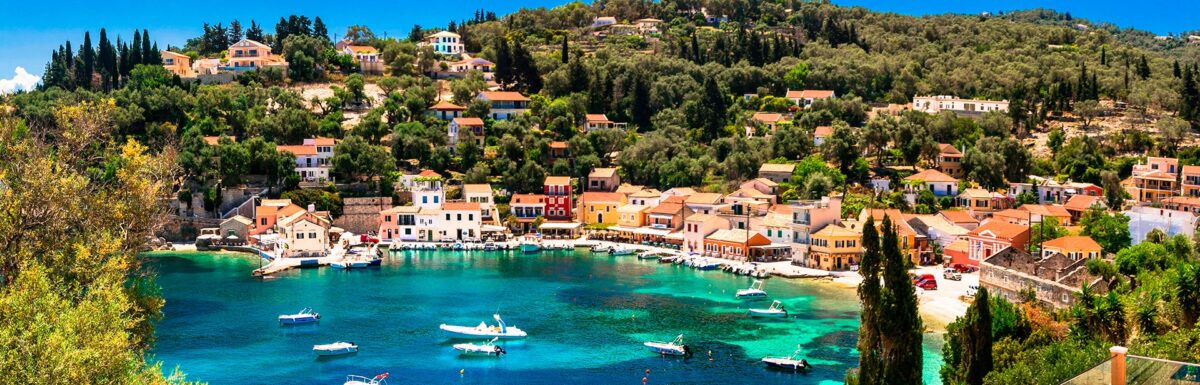
Nestled south of Corfu in the Ionian Islands, Paxos boasts an enchanting landscape that makes it one of Greece’s best-kept secrets.
As the smallest of the Ionian Islands, Paxos offers a serene escape from the hustle and bustle of the more frequented tourist destinations.
With its turquoise waters, unspoilt beaches, and quaint traditional villages, this magical island promises a truly unforgettable experience for every traveller.
Visitors to Paxos can enjoy an array of activities to suit all tastes.
Whether you’re exploring the island’s unique history, sampling delicious local cuisine, or relaxing by the crystal-clear waters, there is something for everyone on this enchanting island.
Ideal for couples and families alike, spend your days discovering the hidden gems of this captivating Greek paradise.
As you prepare for your adventure, this guide will offer all the essential information you need to know about travelling to Paxos.
From the best time to visit, transportation options, accommodations, and more, we aim to ensure that your trip is as seamless as possible.
So, pack your bags and get ready to enjoy a truly magical escape to Paxos, where memories of a lifetime await.
Discovering Paxos
History and Culture
Paxos, a beautiful island located south of Corfu in the Ionian Sea, is part of the Ionian Islands archipelago on the western coast of Greece. This enchanted island is still considered one of the best-kept secrets among Greek islands, and its local charm has yet to be overrun by international tourism.
The island’s history is deeply rooted in mythology, with tales of Poseidon creating the island to spend time with his lover, Amphitrite. There’s a unique blend of tradition and modernity in the island’s architecture, with ancient windmills and Venetian buildings coexisting with modern villas and lodgings.
Paxos boasts a rich cultural heritage, showcased through its local festivals and events. The annual Paxos International Music Festival takes place in various villages throughout the island, featuring classical concerts and performances by international musicians.
Geography
Paxos is small, with a total area of just 30.121 square kilometres, making it the smallest of the major Ionian Islands. Despite its size, the island features diverse landscapes, including impressive white cliffs on Eremitis and lush olive groves that stretch across the island. The coastline is dotted with numerous secluded coves and beaches, providing ample opportunities for swimming, sunbathing, and snorkelling.
The island group is made up of three main islands: Paxos, Antipaxos, and Kaltsonissi. Paxos is the largest of the three, while Antipaxos is known for its stunning beaches, such as Voutoumi and Vrika. Kaltsonissi is an uninhabited island that travellers can visit by boat from nearby Antipaxos.
Paxos has three main villages – Gaios, the capital, Loggos and Lakka. Each village has its unique charm, offering visitors the chance to explore, dine, and relax by the waterfront.
In summary, Paxos is a must-visit destination for travellers seeking an authentic Greek island experience. With its fascinating history, vibrant culture, and captivating landscapes, Paxos provides the perfect setting for an unforgettable holiday.
How to Get There
Ferries and Boats
Paxos can be reached primarily by ferry or boat. The most popular route to the island is via Corfu. Travellers can take a hydrofoil ferry called the Flying Dolphin from Corfu to Paxos1. The journey takes approximately 30 minutes2. Ferries also operate from the mainland port of Igoumenitsa to Paxos2.
For a more scenic option, you can book a day trip from Paxos to the picturesque town of Parga on Greece’s west coast. This journey takes approximately 90 minutes by boat3.
Flights
While Paxos does not have its own airport, travellers can fly into the nearby Corfu International Airport and then take a quick ride across Corfu town to the New Port4. From there, visitors can catch a ferry to Gaios, the capital of Paxos4. This convenient combination of air travel and ferry service makes Paxos an accessible and attractive destination for holidaymakers.
Accommodation Options
Paxos Greece offers a variety of accommodation options to suit every traveller’s needs. In this section, we will explore some of the top choices for hotels and resorts, as well as villas and apartments.
Hotels and Resorts
Paxos Club Resort & SPA is a fantastic option for those seeking a luxurious stay. This resort offers top-notch amenities, including a spa, swimming pool, and fine dining options.
Ilios Hotel Paxos is another excellent hotel, known for its beautiful surroundings and comfortable rooms. This hotel’s location in Gaios makes it convenient to explore the island.
Torri e Merli is a boutique hotel offering a half-board option for guests. With its stylish design and excellent service, this hotel makes for an unforgettable stay.
Villas and Apartments
If you prefer a more private and homely stay, there are numerous villas and apartments to choose from.
Harry’s Studio offers self-catering apartments that are perfect for those looking for a budget-friendly option. These apartments are clean and comfortable, providing an excellent base for your Paxos adventure.
Ranias Apartments Paxos are stylish and well-situated in the picturesque town of Gaios. Guests will enjoy the convenience of having shops, restaurants, and local attractions within walking distance.
Santa Marina Villas are luxurious and spacious properties located in various parts of the island. With their stylish interiors and private pool options, these villas provide an indulgent stay for those who prefer a more exclusive experience.
Paxos Fairytales House is an ideal choice for large families and groups. Located in Gaios, this unique villa offers a memorable stay while keeping everyone together under one roof.
Choosing the right accommodation is essential for a comfortable and enjoyable visit to Paxos. Whether you opt for a luxurious hotel, a charming villa, or a budget-friendly apartment, the island’s beauty and activities will undoubtedly make your trip unforgettable.
Exploring the Island
Paxos, a beautiful island in the Ionian Sea, offers a myriad of opportunities for exploration and enjoyment. In this section, we will cover some of the most popular attractions on the island, focusing on its stunning beaches and bays, charming villages and towns, and the rich nature and wildlife.
Beaches and Bays
Paxos is known for its crystal clear waters and pebble beaches that line the coast. Some notable beaches and bays include:
- Voutoumi Beach: Located on the nearby island of Antipaxos, this beach is famous for its turquoise waters and sandy shore.
- Kipiadi Beach: A long pebble beach with calm waters, perfect for swimming and snorkelling.
- Lakkos Beach: Surrounded by olive groves, this stunning beach offers a serene atmosphere and beautiful views.
- Monodendri Beach: Known for its water sports offerings, this pebble beach is an ideal spot for adventure seekers.
Villages and Towns
The island’s three main settlements, Gaios, Lakka, and Loggos, each offer something unique for visitors.
- Gaios: The picturesque capital of Paxos boasts a lovely harbour, beautiful Venetian architecture, and a bustling centre with various cafés, bars, and shops for visitors to enjoy.
- Lakka: Nestled in a bay on the northern tip of the island, Lakka is famous for its turquoise waters, lush greenery, and charming traditional tavernas.
- Loggos: This quaint fishing village is known for its scenic harbour and narrow streets lined with colourful houses, perfect for a leisurely stroll.
Nature and Wildlife
Paxos is not only a haven for beach-goers but also boasts lush greenery and diverse wildlife. Highlights include:
- Erimitis Cliffs: On the west coast of the island, these cliffs offer panoramic views and are a popular spot for watching the magnificent sunsets.
- Olive Groves: An integral part of Paxos’ landscape, the island’s olive groves are home to numerous walking trails for visitors to explore and enjoy the natural beauty.
- Marine Life: The crystal-clear waters surrounding Paxos offer the opportunity for encounters with various marine species, such as dolphins, turtles, and colourful fish. Snorkelling and scuba diving excursions are popular ways to explore the underwater world of the island.
As you explore the island of Paxos, take the time to discover its unique natural beauty and vibrant culture, making for a truly memorable experience.
Food and Drink
Local Cuisine
Paxos offers a variety of delicious local dishes that represent the unique flavours of Greek cuisine. Some traditional dishes you should try while visiting Paxos include:
- Pastitsio: Baked pasta dish with ground meat and béchamel sauce
- Moussaka: Layered eggplant, potato, and minced meat casserole topped with a creamy béchamel sauce
- Souvlaki: Skewered grilled meat, usually pork or chicken, served with pita, tzatziki and salad
- Mezze: A selection of small dishes served as appetisers, including dolmades, taramasalata, and saganaki
Restaurants and Tavernas
In Paxos, you’ll find a range of delightful restaurants and tavernas offering delicious meals and a unique dining experience. Some popular places to eat and drink in Paxos are:
- Romantica Café Bar: Enjoy a tasty coffee or a refreshing cocktail in a cosy atmosphere by the sea
- Averto Day and Night Yard: Savour a mouthwatering meal and a relaxing drink in a charming yard, perfect for daytime or evening visits
- Mongonissi Beach Bar: Experience beachside dining with a fantastic view and delectable food options
- Gyros Ton Paxon Grill House: Taste authentic Greek gyros at this popular grill house
- Captain Spiros Taverna: Indulge in traditional, home-cooked Greek dishes in a lovely taverna setting
- Pounentes: Discover flavoursome Mediterranean cuisine and a picturesque view of the sunset
- Roxi Bar: Sip on unique cocktails and enjoy live events at this lively bar
- La Rosa Di Paxos: Sample authentic Italian dishes, including pizza and pasta, with an exceptional sea view
- Stasinos Garden Restaurant: Dine in a tranquil garden setting while enjoying a variety of delicious dishes
- Sette Venti: Treat yourself to upscale gastronomy, featuring high-quality ingredients and artistic presentations
Remember to keep an open mind and explore different venues to truly experience the diverse culinary offerings of Paxos.
Activities and Experiences
Paxos, a beautiful island in Greece, offers a range of activities and experiences for visitors to enjoy. In this section, we will explore adventure sports, boat tours, and excursions that you can partake in during your visit to this picturesque destination.
Adventure Sports
For those who love adrenaline-fuelled activities, Paxos has a variety of exciting adventure sports to try out. Whether you’re an experienced thrill-seeker or a first-timer, there’s something for everyone to enjoy:
- Scuba diving: Discover the rich underwater world of Paxos with its colourful marine life and intriguing caves. There are several diving centres on the island offering both beginner courses and guided dives for experienced divers.
- Windsurfing: Take advantage of the pleasant winds along the Paxos coastline and enjoy an exhilarating windsurfing experience. There are schools and rental shops offering equipment and lessons for all skill levels.
- Hiking: Explore the numerous hiking trails winding through olive groves, reaching secluded beaches, and offering spectacular panoramic views. Hiking in Paxos is a great way to connect with nature and discover hidden gems of the island.
Boat Tours and Excursions
Boat tours and excursions are a must-do on any visit to Paxos, providing a chance to explore the stunning coastline, visit neighbouring islands, and discover secluded coves:
- Cruises: Join a daily cruise that takes you to the beautiful beaches, hidden caves, and breathtaking cliffs of Paxos. Some cruises also offer stopovers at the nearby island of Antipaxos, known for its crystal-clear waters and pristine beaches.
- Private boat rental: Rent your own boat for the day to explore Paxos at your own pace. This option allows you to create a personalised itinerary, visit popular sites or find lesser-known spots, and enjoy the luxury of having the boat all to yourself.
- Fishing trips: Immerse yourself in local culture by joining a traditional fishing trip. Learn about different fishing techniques used by locals and experience the thrill of catching your own fish, with the option to cook and enjoy your catch afterwards.
Embarking on adventure sports, boat tours, and excursions during your visit to Paxos will leave you with unforgettable memories and a deeper connection to the island’s natural beauty. Make sure to take advantage of these activities and experiences while exploring this enchanting Greek destination.
Travel Tips
Best Time to Visit
The ideal time to visit Paxos depends on your personal preferences. Generally, the most pleasant months for travel are from May to September. During this time, you can expect warm, sunny weather with minimal rainfall. However, it can be quite hot in July and August, so for those who prefer mild temperatures, consider visiting during May, June or September.
Local Customs and Traditions
When visiting Paxos, it’s essential to respect the local customs and traditions. Here are a few tips to keep in mind:
- Greetings: When meeting someone, a handshake is standard. It is also common to greet one another by saying “Yassas”.
- Dress code: While casual clothing is acceptable, ensure to dress modestly when visiting religious sites such as churches. It is advised to wear long trousers and avoid sleeveless tops.
- Tipping: Tipping is appreciated in Paxos, but not mandatory. As a general guide, around 10% of the bill is suitable for good service in restaurants and bars.
- Smoking: Most public spaces in Greece, including Paxos, have designated smoking areas. In restaurants and bars, ask if it’s acceptable to smoke before lighting up.
Health and Safety
Paxos is a relatively safe destination. However, it is crucial to take some precautions to ensure a trouble-free visit:
- Sun protection: The sun can be quite strong during the summer months. Wear appropriate clothing, apply sunblock regularly, and stay hydrated.
- Swimming: While the beaches are relatively safe, swim with caution and don’t venture too far from the shore. Lifeguards may not always be on duty.
- First aid: It’s a good idea to carry a basic first aid kit with you, including band-aids, antiseptic wipes, and painkillers.
- Emergency numbers: Familiarise yourself with the local emergency numbers. Dial 112 for general emergencies, 100 for the police, and 166 for an ambulance.
- Travel insurance: Ensure you have travel insurance that covers your planned activities and duration of your visit.
By following these tips, you’ll be well-prepared for a fantastic trip to Paxos. Enjoy your time on this magical Greek island!
Frequently Asked Questions
How to reach Paxos?
To reach Paxos, you can either take a ferry from Corfu or Igoumenitsa. The travel time varies depending on the type of ferry you choose, with high-speed boats taking around 1 hour from Corfu and slower car ferries taking up to 2-3 hours. Flights are also available to Corfu, and then you can take the ferry to reach Paxos.
Where to stay?
Paxos offers a range of accommodation options, including hotels, guesthouses, apartments, and villas. You can find stays in the three main villages – Gaios, Loggos, and Lakka – where most of the amenities are located. If you prefer a more peaceful setting, smaller coastal locations or inland areas also provide perfect places to stay.
Loggos highlights?
Loggos is a picturesque harbour village in Paxos with traditional architecture and crystal-clear waters. It is known for its beautiful pebble beaches like Levrechio and Marmari, where you can relax and soak up the sun. The narrow streets in the village are lined with quaint shops and cafes, ideal for leisurely strolls and enjoying Greek cuisine and coffee.
Top activities?
Paxos has many activities to offer. Some of the top things to do are exploring the charming villages, swimming in crystal-clear waters at the many beaches, or taking boat trips to explore the stunning coastal caves. Additionally, you can hike the numerous walking trails that traverse the island, admire the olive groves, or visit the historic Venetian fortress in Porto Ozias.
Nightlife options?
Nightlife in Paxos is generally relaxed and low-key, with most of the entertainment centred around the island’s restaurants and bars. Gaios, the island’s capital, offers a variety of bars and tavernas, where you can enjoy live Greek music, cocktails, and a friendly atmosphere. Lakka and Loggos also have a selection of bars and cafes, perfect for enjoying an evening drink with beautiful sea views.
Best hotels?
There are several high-quality hotels and accommodations to choose from on Paxos. Some of the best options include the Torri e Merli Boutique Hotel in Lakka, Paxos Club Resort & Spa near Gaios, and Amfitriti Hotel and Studios in Loggos. These hotels offer excellent service, comfortable amenities, and outstanding locations, making your stay on Paxos truly memorable.

Born and raised on the sun-drenched island of Crete, Sofia Mavromatis is a seasoned traveler and writer with a deep-rooted love for Greece’s vibrant culture, stunning landscapes, and rich history.