
Nestled in the enchanting Ionian Sea, the captivating island of Zante, also known as Zakynthos, is a holiday haven for beach lovers and party enthusiasts seeking the perfect escape.
Rich in fertility and nobility, Zante was once hailed as the “Flower of the East” by the Venetians who recognised the island as the jewel of their empire. Its stunning landscapes, iconic attractions, and vibrant atmosphere make it an unforgettable destination for travellers from across the globe.
One of Zante’s most remarkable features is its breathtaking coastline graced with pristine white-sand beaches and crystal-clear waters.
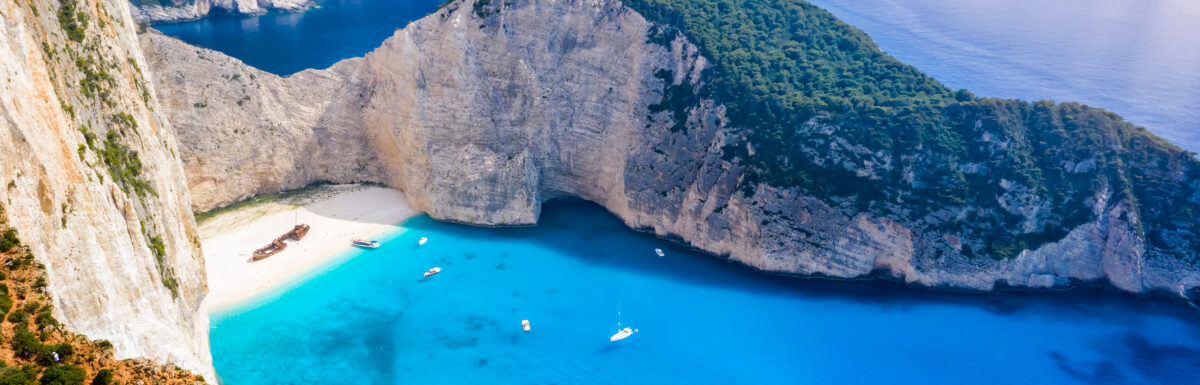
The famous Navagio Beach, or Shipwreck Beach, is the epitome of this beauty, showcasing a dramatic cliff backdrop and a mysterious shipwreck at its heart.
Besides its mesmerising beaches, the island is also home to diverse wildlife, such as the endangered sea turtles known as Caretta caretta, which can be spotted on the island during their nesting season.
While Zante might be small in size, it packs a punch when it comes to things to see and do. From the lively resorts boasting an electrifying nightlife to the charming traditional villages that exude timeless allure, Zante promises a well-rounded experience for all travellers.
With just a week of exploration, you can cover all the major attractions and hidden gems – ensuring an unforgettable and fun-filled holiday on this sun-kissed paradise.
Getting to Zante
Zante, also known as Zakynthos, is a popular holiday destination in Greece. To help you plan your trip, this guide provides information on how to get to Zante by air and sea.
Flights
During the low season, the primary way to reach Zante is by taking a plane from Athens. This flight takes approximately 50 minutes. There are typically several flights per day, so you should be able to find a suitable option for your travel plans.
During high season, you might also find direct flights from various European cities to Zante (Zakynthos) International Airport. It is always a good idea to check with your preferred airline or search for flights online to find the best connections.
Ferries
Alternatively, you can travel to Zante by ferry. This is a popular option if you are travelling from Cephalonia Island, the Greek mainland or Italy.
- From Cephalonia Island: There are daily ferry services between Cephalonia and Zante, taking around 1-1.5 hours.
- From the Greek mainland: Ferries depart from the port of Killini on the mainland to Zakynthos, taking about 1 hour. You can reach Killini by bus from Athens, which takes approximately 4 hours.
- From Italy: During high season, there are also ferry connections from Italy to Zante, though some of these services are limited and subject to change. It is recommended to check with the ferry companies for the most up-to-date information.
To find the most convenient ferry for your trip, be sure to check the schedules and book your tickets in advance. Enjoy your journey to the beautiful island of Zante!
Best Time to Visit
Weather
Zante, or Zakynthos, is located in the Ionian Sea, and its Mediterranean climate makes it a great holiday destination throughout the year. However, the best time to visit would be between May and September, as the weather is warm and sunny, with temperatures usually ranging between 16°C and 30°C.
During May, the island starts to warm up as the summer season begins, with temperatures averaging around 20°C. June, July, and August are considered as the hottest months, with the average temperature reaching around 25°C to 30°C. September is still warm with temperatures averaging about 24°C, yet the weather might be more pleasant as the humidity starts to decrease.
Peak Season
Peak Season in Zante is from July to August when the island is the busiest and most crowded. Prices for flights and accommodation during this time tend to be higher in comparison to the off-peak months. However, the lively atmosphere, pleasant weather, and extensive events make it a popular time to visit.
During the peak season, visitors can enjoy a wide range of activities, such as:
- Exploring the picturesque Zante Town and its rich history
- Discovering beautiful white beaches, such as Navagio Beach (Shipwreck Beach)
- Joining one of the many boat tours around the island
- Observing the rare loggerhead sea turtles in their natural habitat at Laganas Bay
For those who prefer a more relaxed experience, it’s recommended to consider visiting during the shoulder season, which lasts from May to June and September. These months offer a slightly less crowded environment, more comfortable temperatures, and lower prices for accommodations.
Accommodation Options
Visiting Zante, also known as Zakynthos, offers a variety of accommodation options to suit different preferences and budgets. From hotels and villas to apartment rentals, you can find the perfect place to stay during your holiday on this stunning Greek island.
Hotels
Zakynthos is home to numerous hotels that cater to families, couples, and solo travellers. For first-time visitors, staying in Zakynthos Town can be a great choice, as it provides a range of eating, shopping, drinking, and sightseeing options without being overwhelming. The town has seen a recent expansion in hotel rooms, particularly in the seaside village of Argassi, which is only 4 km away and popular amongst families, couples, and teenagers.
Some popular hotels in Zante include:
- Argassi: Known for its extensive offering of hotel rooms and proximity to Zakynthos Town.
- Porto Zante Villas & Spa: This luxurious coastal resort offers 10 villas, each with a private pool, marble bathroom, and private terrace facing the ocean. Additional amenities include a waterfront spa, chic cocktail bar, and Mediterranean restaurant.
Villas
If you’re seeking a more exclusive and private experience while visiting Zante, consider staying in a villa. Villas often come with added luxuries, such as private pools and exquisite views of the ocean. The Porto Zante Villas & Spa mentioned above is an excellent example of a high-end villa resort on the island.
Apartment Rentals
Apartment rentals can be a budget-friendly accommodation option, as well as providing a more authentic and local experience. They can also be an excellent choice for longer stays and larger groups. A variety of apartment-style accommodations are available throughout Zante, with platforms like Airbnb offering numerous options to suit different tastes and budgets.
In summary, Zakynthos has a wide range of accommodation options to suit various preferences, from luxurious hotels and villas to budget-friendly apartment rentals. No matter your choice, you will be able to enjoy the island’s stunning landscapes, amazing food, and warm Greek hospitality.
Top Attractions
Zante, also known as Zakynthos, is a beautiful Greek island with stunning landscapes, crystal clear waters, and unique spots to explore. In this guide, we’ll cover some of the top attractions to visit during your trip to Zante.
Shipwreck Beach
Also known as Navagio Beach, Shipwreck Beach is one of the most famous and picturesque beaches in Greece. Hidden in Smuggler’s Cove on the island’s west coast, this beach is home to an old shipwreck that adds an air of mystery to the scenic landscape. Surrounded by dramatic cliffs and featuring electrifying blue waters, this beach is a must-see for any visitor.
To access Shipwreck Beach, you’ll need to take a boat trip, as it’s not reachable by land. Several tour companies offer excursions to this iconic spot, making sure you’ll have a memorable experience.
Blue Caves
The Blue Caves are a natural wonder located on the northern tip of Zante. Known for their mesmerising bright blue waters and unique rock formations, the Blue Caves are perfect for exploring by boat. Many boat trips depart from nearby ports, allowing you to admire the caves from the water or even enjoy a refreshing swim.
When visiting the Blue Caves, make sure to bring your camera to capture the incredible colours and fascinating geological features. The best time to visit is in the morning when the sunlight enhances the vibrant blue hues of the water.
Turtle Spotting
Zante is home to the endangered loggerhead sea turtles, also known as Caretta caretta. These magnificent creatures can be spotted nesting on the island’s pristine beaches, particularly on Laganas Beach in the south. To protect their delicate ecosystem, certain areas are designated as National Marine Parks, and visitors are encouraged to respect these conservation efforts.
If you’re interested in getting up close with these gentle giants, several eco-friendly turtle spotting tours depart from Laganas and Keri, providing a responsible and enlightening experience for all ages. Remember, it’s essential to follow the guidelines provided by your tour operator to ensure a respectful and sustainable interaction with these amazing animals.
Remember to enjoy these beautiful attractions responsibly and help preserve the natural beauty of Zante for future generations to enjoy.
Activities and Experiences
Zante offers a myriad of activities and experiences for visitors to enjoy. From water sports to hiking, and boat tours, travellers can find something for everyone.
Water Sports
The island is well-known for its stunning beaches that provide excellent opportunities for water sports enthusiasts. Some popular activities include:
- Jet Skiing: Feel the adrenaline rush as you zip across the water on a jet ski.
- Parasailing: Soar above the crystal clear waters and take in the breathtaking views of Zante from the sky.
- Banana Boat Rides: Gather your friends and family to ride a giant inflatable banana towed by a speedboat.
- Scuba Diving and Snorkelling: Discover the vibrant marine life and underwater beauty as you dive or snorkel around the island.
Hiking
Zante’s landscapes offer picturesque hiking trails for nature lovers to explore. Some notable trails to check out are:
- Marathia Trail: This trek takes you along the panoramic coastline and through lush green woodlands.
- Venetian Castle Hike: Begin this hike in the charming village of Bohali and make your way to the Venetian Castle, a historical gem with stunning views of Zakynthos Town.
- Skopos Hill Trail: Ascend the summit of Skopos Hill for a panoramic view of the island and a visit to an ancient monastery.
Boat Tours
A visit to Zante is incomplete without a boat tour. Boat tours offer you the chance to explore the island’s coastline, stop at hidden beaches and visit iconic sites like Shipwreck Cove. Some popular boat tours include:
- Navagio Beach Tour: Visit the famous Shipwreck Cove, also known as Navagio Beach, and marvel at the turquoise waters, white sand, and shipwreck.
- Turtle Spotting Tour: Spend an afternoon watching the adorable loggerhead turtles in their natural habitat at Laganas Bay.
- Keri Caves Tour: Explore the picturesque Keri Caves, with crystal clear waters and dramatic limestone formations, perfect for snorkelling.
Enjoy these activities and experiences during your visit to Zante, creating lasting memories of the beautiful island.
Food and Nightlife
Local Cuisine
Zante offers a variety of traditional dishes to try during your visit. Local cuisine usually includes plenty of meat options, such as pork, chicken, veal, and lamb, but there are also fish and vegetable dishes available. Some popular local dishes to try include:
- Kuneli: a rabbit-based dish
- Gouvetsi: lamb cooked with pasta
- Spetsofai: sausage and peppers combination
Make sure to sample a variety of these traditional dishes to get a true taste of Zante’s culinary delights!
Bars and Clubs
Zante is known for its lively nightlife, particularly in the areas of Laganas and Argassi. These areas offer a variety of bars and clubs to suit all tastes and party preferences.
Laganas is the hotspot for wild nightlife, where you can find fishbowl cocktails, foam parties, and DJ sets catering to those looking for a vibrant party scene. In contrast, Argassi offers a slightly more relaxed atmosphere, providing a selection of bars to explore without the same intensity as Laganas.
The Barrage Club in Zakynthos can be considered one of the best nightclubs on the island, hosting popular events like White Tuesday and the Elegant Party (held every Friday). For a more unique experience, check out Cameo Island, a small private island accessible by a wooden bridge, known for its happy hour offerings.
Local Customs and Etiquette
When visiting Zante, it is important to immerse yourself in the local customs and etiquette of this beautiful Greek island. There are a few key aspects to consider that will make your trip more enjoyable and help you gain a better understanding of the local culture.
Firstly, Greek people are known for their hospitality, and this is no exception in Zante. Locals are welcoming and will often go out of their way to make tourists feel at home. When entering a shop or cafe, it is polite to greet the staff with a friendly “Yassas” (hello).
Dress code is generally relaxed on the island, however, when visiting religious sites such as churches and monasteries, it is important to be respectful and cover your shoulders and knees. In addition, it is polite to remove your hat when inside a church.
When it comes to dining in Zante, it is customary for meals to be shared among the table. You may notice that utensils are not always provided, as it is common to eat with your hands, particularly when enjoying traditional Greek dishes like souvlaki and gyro. Tipping is appreciated, and you can leave around 10% of the bill if you are satisfied with the service provided.
If you are lucky enough to be invited to a local’s home, it is important to be punctual and bring a small token of appreciation, such as a bottle of wine or chocolates. Additionally, remember to praise the food, as Greek cuisine is a point of pride for the locals.
Finally, when visiting Zante, it is essential to respect the environment and the island’s natural beauty. Try to minimise your waste and avoid disturbing the local sea turtles that breed in the island’s enchanting azure waters.
Following these etiquette tips while visiting Zante will not only make your trip more enjoyable, but also help foster a deeper connection with the island’s culture and people.
Safety Tips
Visiting Zante is an exciting experience, but it’s essential to prioritise safety while exploring this beautiful Greek island. Here are some safety tips to ensure a worry-free holiday:
- Beware of jellyfish on the beaches, particularly around Laganas Beach. The purple jellyfish in this area can cause painful stings and leave scars if touched. Always pay attention to your surroundings when swimming or walking near the water.
- During the peak summer months, temperatures in Zante can soar above 30°C, making it crucial to stay hydrated and protect yourself from the sun. Wear sunscreen, sunglasses, and a hat, and take breaks in the shade whenever possible.
- Keep in mind that a northerly wind called the ‘meltemia’ can be present during the afternoons, helping to cool things down. However, strong gusts can be hazardous to those on boats, so be cautious.
- On the subject of transportation, avoid using quad bikes as they can be unsafe, particularly for inexperienced riders. Instead, consider renting a car, scooter, or bicycle, but do ensure to follow local traffic laws and wear necessary safety gear such as helmets.
- Zante is known for its vibrant nightlife, and while it’s great to have fun, remember to drink responsibly and never leave drinks unattended. Stick to well-lit areas and travel with a buddy or in groups when exploring the island at night.
Following these simple safety tips will allow you to make the most of your time on Zante, creating cherished memories while staying safe and sound.
Leaving Zante
When planning your departure from Zante, it’s important to be well-prepared and have all your belongings sorted. Make sure you’ve double-checked your accommodation for any forgotten items, and have packed souvenirs you may have purchased during your stay on the island.
It’s recommended to visit local shops for last-minute gifts, or even something to remember Zante by. There are numerous shops around Zante Town, where you can find local products like olive oil, honey, and handmade crafts. Don’t forget to also try some local delicacies like mandolato, a delicious nougat with almonds, before leaving the island.
As you make your way to the airport, ensure you have booked your transportation in advance to avoid any last-minute hassles. Taxis and airport shuttles are available and can be pre-booked for a smooth and stress-free journey. If you rented a car during your stay, be sure to return it in a timely manner to avoid any additional charges.
At the Zakynthos International Airport, allow yourself ample time for check-in, security checks, and potential delays. The airport can get busy during peak tourist season, so arriving at least two hours before your flight is advisable. While waiting for your flight, you can take advantage of the facilities available at the airport, including shops, restaurants, and a small lounge area.
As you board your flight, take the time to reminisce about your Zante holiday and the wonderful memories made. We hope you enjoyed your stay on this magical island and will keep that experience alive by sharing your favourite moments with friends and family. Until we meet again, safe travels home!
Frequently Asked Questions
Best time to visit?
The best time to visit Zante, also known as Zakynthos, is during the shoulder seasons of May-June and September-October. During these months, the weather is pleasant, and the island is less crowded than during the peak summer months of July and August.
Top attractions?
Some of the top attractions in Zante include:
- Navagio Beach (Shipwreck Beach), famous for its stunning turquoise waters and the iconic shipwreck.
- Blue Caves, a series of geological formations accessible by boat.
- Marathonisi (Turtle Island), a small island famous for its sea turtle population and nesting beaches.
- Zakynthos Town, the island’s capital and main port, offering a variety of shops, restaurants, and cultural attractions.
Where to stay?
There are many accommodation options on Zante, catering to various budgets and preferences. Popular locations include:
- Laganas: Known for its vibrant nightlife and long stretch of beach.
- Tsilivi: A family-friendly resort area with numerous hotels, restaurants, and activities.
- Alykanas: A quieter, more traditional village offering a mix of hotels and self-catering apartments.
- Kalamaki: A popular resort area near the airport, with a beautiful sandy beach and protected sea turtle nesting area.
Getting to Zante?
Zante is accessible via its international airport or by ferry from the mainland or neighbouring Ionian Islands. Numerous airlines, including budget carriers, offer seasonal flights from UK airports. Alternatively, visitors can fly to Athens and take a domestic flight or ferry to Zante.
Transport options?
The island offers a variety of transport options, allowing visitors to get around with ease:
- Car rental: Renting a car or scooter is a flexible option to explore the island at your own pace.
- Public buses: The island’s bus system connects main towns and popular tourist areas.
- Taxis: Taxis are widely available in Zante, with fixed rates for most destinations.
- Boat trips: Boat tours are a popular way to explore Zante’s coastal attractions, such as Navagio Beach and Blue Caves.
Hidden gems?
Some lesser-known yet charming spots on Zante include:
- Porto Limnionas: A scenic bay with crystal-clear waters, perfect for swimming and snorkelling.
- Bochali: A picturesque hilltop village overlooking Zakynthos Town, offering stunning views and a peaceful atmosphere.
- Keri Lighthouse: A scenic vantage point, offering panoramic views of the Keri cliffs and the Ionian Sea.
- Exo Chora: A small village known for its traditional stone houses and ancient olive tree, estimated to be over 1,000 years old.

Born and raised on the sun-drenched island of Crete, Sofia Mavromatis is a seasoned traveler and writer with a deep-rooted love for Greece’s vibrant culture, stunning landscapes, and rich history.