
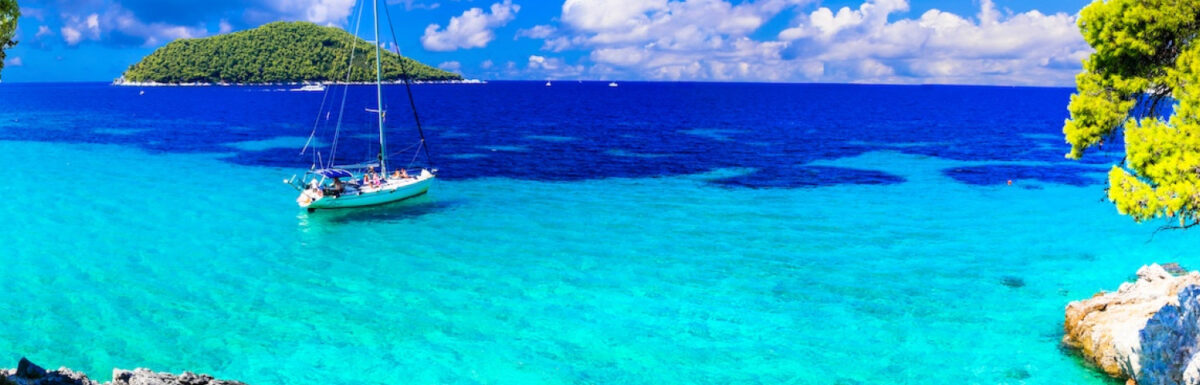
Nestled in the Sporades island group, Alonissos, Greece, boasts an enchanting combination of natural beauty, idyllic beaches and an authentic atmosphere, making it an ideal destination for travellers seeking tranquillity.
As the most remote of the Sporades islands, Alonissos sits peacefully in the Northern Aegean Sea, off the coast of Volos and the Pelion in Northeastern Greece. With its pristine landscapes, charming villages, and rich marine life, this captivating island promises a truly unforgettable experience.
Visitors to Alonissos can explore the National Marine Park, which is home to rare species such as the Mediterranean monk seal, and enjoy boat trips around the surrounding scenic islets.
The island’s stunning coastline features a mix of sandy and pebble-strewn beaches, such as Agios Dimitrios and Chrisi Milia, perfect for soaking up the sun and taking a refreshing dip in the crystal-clear waters.
The traditional villages dotting the island, such as the Old Town of Alonissos, offer a glimpse into the local culture and history, with their narrow cobblestone streets, quaint tavernas and welcoming atmosphere.
To make the most of your visit to Alonissos, plan ahead and consider the best travel deals, including accommodation, transportation, and activities.
Whether you’re seeking a romantic getaway, a family trip, or an adventure-packed escape, the alluring island of Alonissos is bound to leave a lasting impression on your heart and soul.
Getting to Alonissos
Flights and Ferries
Alonissos, a beautiful Greek island in the Sporades archipelago, is accessible by both ferries and flights. While the island itself does not have an airport, the nearest international airport is on Skiathos Island. From Skiathos, you can easily take a ferry to Alonissos.
Alternatively, you can take a ferry to Alonissos from Volos, a city on the Greek mainland. Volos is connected to Athens via KTEL buses, making it convenient for those travelling from the capital. During the summer season, there are also ferry connections between Alonissos and other islands, such as Skopelos, Skyros, and Evia.
Local Transportation
Once you have arrived in Alonissos, there are several options for getting around the island. These include:
- Car rental: Renting a car provides a flexible and comfortable way to explore the island at your own pace. Be sure to book your rental car in advance, especially during the peak summer months.
- Bus service: Alonissos has a local bus service that connects the main villages and tourist spots on the island. The schedule can vary depending on the season, so it is always a good idea to check the timetable upon arrival.
- Taxis: You can easily find taxis on Alonissos, although the fares can be slightly more expensive than other transportation options. To avoid any surprises, it’s best to agree on a price before starting your journey.
- Scooter and bicycle rental: If you prefer a more active and eco-friendly mode of transportation, consider renting a scooter or a bicycle. This option will allow you to take in the sights and sounds of the island at a leisurely pace, while also enjoying the beautiful Mediterranean weather.
Remember to always exercise caution when using any mode of transportation, and adhere to the local traffic rules and regulations. Happy travels!
Top Attractions
The Old Village
Chora, or the Old Village, is the former capital of Alonissos, and a must-visit spot during your time on the island. The quaint and picturesque village features narrow streets, traditional houses and stunning sea views of the Aegean. A coffee or meal in one of its many charming tavernas or cafes is a great way to enjoy the village’s ambience.
Marine Park
The National Marine Park of Alonissos and Northern Sporades is one of the most significant ecological attractions in Greece. Created in 1992, the park covers over 2260 square kilometres, making it Europe’s largest marine park. Visitors should not miss a boat trip to explore its beautiful waters and keep an eye out for the rare Mediterranean monk seal, one of the park’s most important inhabitants.
Beaches
Visitors to Alonissos can enjoy some beautiful and diverse beaches. Some of the island’s most popular choices include:
- Agios Dimitrios Beach: known for its beautiful colours, this beach also features sunbeds and umbrellas to make your visit comfortable.
- Chrisi Milia Beach: perfect for sun seekers, this beach has soft golden sand and clear waters.
- Glyfa Beach: a picturesque beach framed by lush greenery, offering a serene setting for swimming and relaxation.
Whether you prefer organised beaches with facilities or secluded spots, Alonissos offers a variety of options to suit your preferences. Each beach offers its own unique charm and beauty, making them well worth a visit during your time on the island.
Accommodations
When visiting Alonissos, you will find a variety of accommodation options to suit your needs. In this guide, we will give you an overview of the main types of places to stay, including hotels, villas, and apartments.
Hotels
Alonissos offers a range of small and medium-sized hotels, mostly falling into the second and third class categories. These hotels provide efficient services to fit various needs and budgets. Popular areas to find hotels include Patitiri, Chorio, and Steni Vala. Some of the best-rated hotels in Alonissos are:
- Hotel Yalis: A charming hotel with 20 rooms, starting at €69 per night.
- Alonissos Beach Hotel: A 4-star hotel with stunning sea views and a pool.
Villas
For those seeking a more private and luxurious stay, Alonissos features a number of villas available for rent. These villas often come with additional amenities such as private swimming pools, gardens, and fully equipped kitchens. A few popular options include:
- Alonissos Villas: A collection of luxury villas with stunning views and modern amenities.
Apartments
Renting an apartment can be an affordable and flexible option for visitors, especially for extended stays. Alonissos offers a variety of apartments, particularly in local villages like Patitiri, Votsi, and Roussoum Yalos. Some of the top-rated apartments in the area include:
- Alonissos Apartments: A selection of modern, well-equipped apartments close to local amenities and beaches.
- Votsi Apartments: Located in the village of Votsi, these apartments offer easy access to local shops and cafes.
No matter what type of accommodation you choose, you are sure to enjoy the beautiful surrounds of Alonissos and experience true Greek island living.
Food and Dining
Local Cuisine
Alonnisos is a Greek island filled with delicious culinary experiences. Its local cuisine is anchored in traditional Greek flavours, offering a mix of fresh seafood, grilled meats, and delectable Greek specialties. You can indulge in mouth-watering dishes such as moussaka, souvlaki, and tzatziki. Fresh local vegetables, fruity olive oil, and aromatic herbs enhance the flavours of Alonnisos’ dishes. Seafood lovers will find it particularly enjoyable, with freshly caught fish and octopus served up in various styles.
Recommended Restaurants
There are several top-rated restaurants on the island, each known for its unique selection of dishes and atmosphere. Some notable recommendations include:
- Meltemi Restaurant-Bar: This highly-rated Greek restaurant provides a perfect setting with delicious homemade dishes. Guests have praised its lovely escape from mainstream beaches.
- Favela: A moderately-priced restaurant known for its amazing meals and friendly staff. Visitors to Favela rave about their “tres bien” dining experiences.
- Eleonas: A popular restaurant on the island, Eleonas has received numerous positive reviews and recommendations for its delectable offerings.
- Astrofegia: This Mediterranean restaurant has outdoor seating under a magnificent grapevine and boasts an outstanding sea view. It’s located in the courtyard of a traditional stone-built island house.
- Tassia’s Cooking: Featuring Mediterranean cuisine with a range of prices, Tassia’s Cooking offers a cosy ambience for diners.
Remember to enjoy your culinary experience while visiting Alonnisos. The island’s traditional Greek cuisine and charming atmosphere are sure to make your dining memories unforgettable.
Outdoor Activities
Hiking Trails
Alonissos offers visitors an opportunity to explore its picturesque landscapes through a variety of hiking trails. These trails take you through lush pine forests, olive groves, and along stunning coastal paths, providing you with breathtaking views and a chance to connect with nature. Some of the popular trails on the island include:
- The Chora Trail: This trail connects the main port of Patitiri with the old village of Chora. It’s a moderate hike that takes around an hour to complete.
- Agios Dimitrios Beach Trail: Starting from the village of Steni Vala, this trail leads you to the beautiful Agios Dimitrios Beach. It’s a relatively easy hike that takes approximately 45 minutes.
Water Sports
Thanks to its crystal-clear waters and unique National Marine Park, Alonissos offers visitors a range of water sports and activities to enjoy. Some popular options include:
- Scuba Diving: With its diverse marine life and well-preserved underwater environment, Alonissos is a perfect destination for scuba diving enthusiasts. There are several diving centres on the island offering certified courses and organized diving trips to various locations within the marine park.
- Snorkelling: For those who prefer to stay closer to the surface, snorkelling is a fantastic way to explore the underwater world of Alonissos. Many of the island’s beaches, such as Chrisi Milia Beach, provide excellent snorkelling opportunities.
- Boat Trips: If you’re looking to explore the wider region of the Northern Sporades, consider joining a boat trip that will take you around the islands and islets within the National Marine Park of Alonissos. These trips offer the chance to discover secluded beaches, hidden coves, and observe the unique marine life of the park.
Safety Tips
Healthcare Facilities
Alonissos has a local health centre located in the main village, Chora. It primarily handles general medical issues and emergencies. However, for more advanced medical care, you may need to travel to the nearby island of Skiathos or even the mainland. Be sure to have travel insurance that covers medical emergencies and evacuation if necessary.
General Precautions
When visiting Alonissos, you should follow general safety precautions to ensure a smooth and enjoyable trip. Some tips include:
- Sun Protection: The sun can be quite strong, especially during summer months. Make sure to apply sunscreen with a high SPF, wear a hat, and stay hydrated to avoid heatstroke.
- Swimming Safety: The waters surrounding Alonissos are generally calm and safe for swimming. However, it is important to be cautious of potential currents and always swim with a buddy.
- Hiking Safety: Alonissos is an excellent destination for hiking enthusiasts, with numerous trails and paths. It is essential to wear appropriate footwear, carry sufficient water, and be aware of your surroundings, such as uneven terrain or narrow paths.
- Driving: If you choose to rent a car or motorbike, ensure you have a valid driving licence, and always follow local traffic rules. Moreover, be extra careful on narrow winding roads and during low light conditions.
- Respect local customs: As with any destination, it is important to respect the local culture and customs of Alonissos. Dress modestly when visiting religious sites, and adhere to any posted signage or instructions from locals.
By following these safety tips, you can ensure a pleasant and memorable experience while visiting the beautiful island of Alonissos.
Frequently Asked Questions
Top activities in Alonissos?
Alonissos offers a variety of activities for travellers to enjoy. Some of the top things to do include exploring the beautiful beaches, such as Agios Dimitrios and Megalos Mourtias, hiking through the lush forests along well-marked paths, and visiting the Alonissos Marine National Park for an up-close look at the abundant marine life. Island hopping to nearby islands like Skópelos or Skiathos is also popular with visitors.
Best accommodation options?
There is a range of accommodation options on the island, suitable for all budgets and preferences. You can find traditional guesthouses, mid-range hotels and luxury villas. Some popular places to stay include Alonissos Beach Bungalows and Suites, Hotel Nereides and Atrium of Alonissos.
How to get to Alonissos from the UK?
To get to Alonissos from the UK, you can fly to Athens or Thessaloniki and then take a connecting flight to Skiathos or Volos. From there, you can take a ferry to Alonissos. Another option is to fly to Skiathos directly from the UK during the summer season and take a ferry from there.
What’s Alonissos nightlife like?
Alonissos has a laid-back and relaxed nightlife scene, reflecting the island’s peaceful atmosphere. The primary area for nightlife is Patitiri, where you can find a few bars and tavernas offering live music and local drinks like ouzo. Don’t expect loud clubs and wild parties here; Alonissos is more about enjoying the tranquil evenings and picturesque settings.
Main attractions in Old Town?
The Old Town, also known as Chora or Hora, is an enchanting part of Alonissos. Some key attractions in this area include the remains of a Venetian castle, stone-built houses, narrow cobblestone streets and charming little shops. Be sure to stop by the folklore museum and the lovely Church of Christ as well.
Is visiting Alonissos worth it?
Absolutely! Alonissos is a fantastic destination for those seeking a relaxed and authentic Greek island experience. With its stunning natural beauty, incredible beaches, verdant landscape and friendly locals, the island is a unique gem in the Sporades archipelago. If you’re looking for a serene getaway with a slower pace of life, Alonissos should definitely be on your list.

Eleni Vasiliadis, a native of the picturesque island of Corfu and co-founder of Greek Island, is a seasoned traveller, accomplished writer, and passionate advocate for Greek culture and cuisine.