
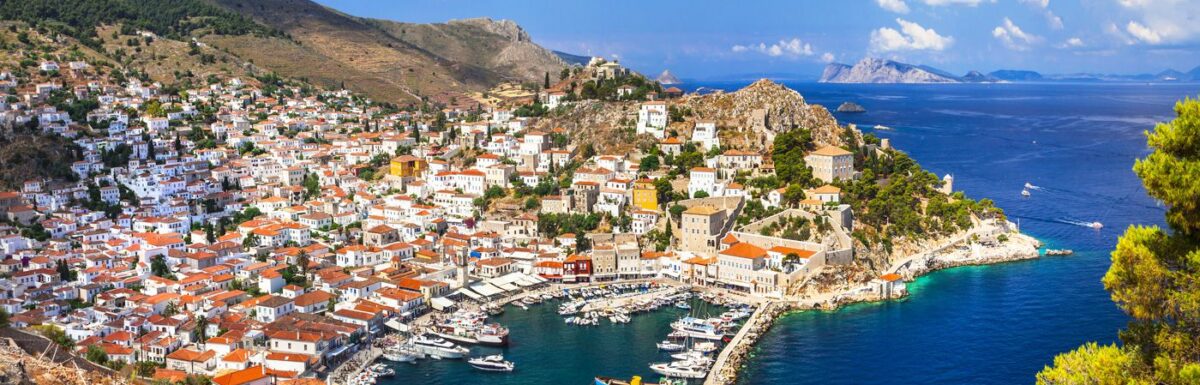
Nestled in the heart of the Saronic island group, Hydra is a picturesque Greek island ideal for short trips from Athens.
Its charming streets are filled with elegant mansions, reminiscent of its rich history and cultural significance. The island has been a filming location for movies such as “A Girl in Black” and “Boy on a Dolphin,” while also being a favoured holiday destination of famous personalities like Leonard Cohen, who once had a house in town.
The serene island of Hydra is surrounded by the cerulean waters of the Saronic Gulf and can be reached in less than an hour’s ferry ride from Athens. One of the last remaining sleepy Greek island idylls, Hydra offers a refreshing travel experience away from the hustle and bustle of modern life.
The main town itself is brimming with quaint shops, exquisite restaurants, and fascinating art galleries, making it an alluring destination for visitors.
A trip to Hydra wouldn’t be complete without a leisurely walk along the coast, taking in the stunning views of the villages of Kamini and Vlychos, as well as the numerous beaches and coves that dot the island.
The close proximity of Hydra to Athens and the Peloponnese peninsula makes it an excellent choice for travellers seeking a serene getaway with a touch of luxury and an abundance of natural beauty.
Getting to Hydra
By Ferry
Getting to Hydra is quite straightforward as the island is easily accessible via ferry from Athens. The journey takes about 1.5-2 hours, with the average ticket price for a deck seat being approximately €40. Daily ferries depart from the Port of Piraeus, connecting Athens to Hydra and other islands in the Saronic Gulf.
It’s essential to check the latest Covid-19 ferry measures in Greece and get ready for your trip accordingly. Ferries and boat tours run from Athens to Hydra regularly, even during the off-season.
Here are some key points about taking a ferry to Hydra:
- Duration: 1.5 to 2 hours
- Price: Around €40 for a deck seat
- Departure Point: Port of Piraeus, Athens
By Private Boat
Visiting Hydra by private boat is another option for those looking for a more personalised experience. Numerous providers offer private boat tours and yacht charters from Athens to Hydra, allowing you to explore the island at your own pace.
While the cost of renting a private boat is typically higher than taking a ferry, it brings added comfort, privacy, and flexibility. Prices can vary depending on the boat size, amenities, and duration of the charter, so it’s recommended to research and compare prices beforehand.
In summary, here’s what you need to know about getting to Hydra by private boat:
- Duration: Varies depending on the boat
- Price: Can be higher than ferry, varies depending on the provider and service
- Departure Point: Various locations in Athens
Top Attractions
Hydra is a beautiful Greek island located in the Saronic Gulf. It is known for its picturesque architecture, vivid nightlife, and cosmopolitan character. In this guide, we will explore the top attractions on the island to make your visit memorable.
Hydra Town
Hydra Town is the main settlement on the island and features a stunning harbourfront lined with cafes, shops, and galleries. Here you can wander along the cobbled streets, admire the 18th-century mansions, and take in views of the Cerulean waters of the Saronic Gulf. Visit the Ecclesiastical Museum of Hydra, situated within the Church of the Assumption, to discover Byzantine icons, Christian relics, and gospels from ancient times. Don’t forget to take a ride on the island’s iconic donkeys, a traditional mode of transport, and a unique experience for tourists.
Historical Archives Museum
The Historical Archives Museum of Hydra is a must-visit attraction for history enthusiasts. The museum is located in a beautiful stone building and showcases a collection of artefacts, documents, and artwork that illuminate Hydra’s fascinating history. Delve into the island’s role in the Greek War of Independence, learn about the region’s maritime past, and view impressive maps and engravings from the 18th and 19th centuries.
Hydra Beaches
Hydra’s beaches are perfect for soaking up the sun and enjoying the crystalline waters of the Saronic Gulf. There are several beaches to choose from, each with its unique charm:
- Mandraki Beach: A pebble beach located 2km from Hydra Town, offering sunbeds, umbrellas, and a taverna for refreshments.
- Spilia Beach: Accessed through Hydra Town, this small rocky beach boasts crystal-clear waters and a cave for adventurous swimmers to explore.
- Vlychos Beach: A picturesque pebble beach with calm waters and a taverna, ideal for spending a leisurely day by the sea.
Take advantage of the island’s inter-beach boat transfers, which offer a convenient way to explore different beaches and enjoy the stunning coastline views.
Accommodation Options
Hotels and Guesthouses
Hydra has a variety of hotels and guesthouses catering to the needs of both budget-conscious and luxury-seeking travellers. Some notable options include charming, family-run guesthouses that offer a warm welcome and an authentic Greek experience, while luxury hotels provide top-notch facilities with an elegant twist.
Guests can enjoy comfortable rooms with captivating views, as well as a range of services such as daily breakfast, Wi-Fi, and even spa amenities at some establishments. It’s recommended to book your hotel or guesthouse in advance, especially during the peak season, to secure the best choice of accommodation.
Self-Catering Apartments
For those who prefer a more independent stay, self-catering apartments are an excellent alternative to hotels and guesthouses in Hydra. These accommodations allow travellers to enjoy the convenience and privacy of having their own kitchen, living space, and sometimes even a balcony or patio with stunning sea views.
Airbnb offers a wide selection of self-catering apartments in Hydra, ranging from modern flats to more traditional Greek houses. These apartments provide a truly intimate experience, allowing visitors to immerse themselves in local life and culture. To find the perfect self-catering accommodation for your Hydra visit, it’s worthwhile to spend some time browsing through the various options available on Airbnb and other rental platforms.
Dining and Nightlife
Local Cuisine
Hydra offers a variety of dining options that will satisfy your cravings for delicious Greek food. Some of the best restaurants on the island include traditional taverns, where you can enjoy authentic Greek dishes. For a change of pace, you can also find Italian cuisine at family-run establishments like Da Barba Dimas, which serves great pizza, and Il Casta, which offers pasta and fancier plates.
Bars and Clubs
When it comes to nightlife, Hydra has some excellent spots for enjoying a pre-dinner drink, such as the popular Hydronetta, where you can watch the sunset while sipping on a refreshing cocktail. The island has a lively atmosphere during the evenings, but don’t expect a hectic party scene. Instead, you’ll find cosy bars and clubs where you can relax with friends, listen to music, and enjoy the island’s charm.
Outdoor Activities
Hydra is a fantastic destination for outdoor enthusiasts. From hiking trails to water sports, the island offers various activities that will keep you engaged throughout your stay. In this section, you’ll find some of the best outdoor activities to make your trip to Hydra memorable.
Hiking Trails
One of the best ways to explore Hydra’s natural beauty is by taking advantage of its numerous hiking trails. The island’s mountainous terrain provides a thrilling experience for those seeking adventure. Some notable paths to explore are:
- Mount Eros’ Peak: Follow the path from Hydra Town to the peak of Mount Eros, which offers spectacular views of the island and its surroundings. The trek usually takes around 2 hours to complete.
- Agios Nikolaos Monastery: Take a stroll to this stunning monastery, surrounded by beautiful pine forests. The trail starts at the entrance of Vlychos Bay and takes roughly 1-2 hours to reach the monastery.
- Mandraki Village: Hike from Hydra Town to Mandraki Village, passing picturesque landscapes and beautiful local architecture. This moderately challenging trek takes about an hour to complete.
Water Sports
Hydra’s pristine waters and serene beaches are perfect for water sports enthusiasts. Here are some of the exciting water-based activities you can enjoy during your visit:
- Swimming: Enjoy Hydra’s crystal-clear waters by taking a rejuvenating swim at various picturesque beaches, such as Hydronetta and Vlychos Bay.
- Sailing: Charter a boat and explore the surrounding Saronic Gulf, discovering hidden coves and beautiful seaside villages.
- Stand Up Paddleboarding: Experience the island’s waters on a whole new level by taking up stand-up paddleboarding. Many local rental services can provide you with quality equipment and training if needed.
- Snorkelling & Scuba Diving: Dive into Hydra’s underwater world to discover colourful marine life and intriguing reefs. Several certified diving centres around the island can provide the necessary training and equipment for your underwater adventure.
Local Customs and Etiquette
When visiting Hydra, it’s important to be aware of the local customs and etiquette to ensure a respectful and pleasant experience. Greeks are generally warm and hospitable, and as a visitor, you’ll likely be welcomed with open arms. However, it’s still essential to observe some basic rules of conduct.
One of the most significant aspects of Hydra’s charm is its car-free policy. The island is a haven for pedestrians, and the primary mode of transportation is walking or taking a water taxi. Donkeys and horses are also common for carrying goods and, occasionally, people. It’s essential to be mindful of these animals, giving them the right of way and not startle them.
Showing respect for religious beliefs and traditions is also crucial. Dress modestly when visiting churches and monasteries, covering shoulders and knees, and remove any hats or caps. Observe silence when inside these sacred places, and do not take photographs during services. Moreover, Greeks value their afternoon siesta, usually between 2 pm and 5 pm, so try to keep noise levels down during those hours.
Greek people are known for their expressive hand gestures, which might be confusing to foreigners. For example, avoid making the ‘moutza’ or ‘mountza’ gesture, which involves extending your open palm and splaying your fingers. This is considered offensive and disrespectful. Similarly, Greeks see the “OK” gesture (making a circle with the thumb and index finger) as vulgar, so try to avoid using it.
Finally, tipping in Hydra is appreciated but not mandatory. In restaurants, it’s customary to leave around 10% of the bill as a tip, but feel free to give more if you received exceptional service. In cafes and bars, you can round up the bill or leave the change.
By following these guidelines on local customs and etiquette, you’ll be able to fully immerse yourself in the rich culture and charm of Hydra, Greece.
Safety Tips
Visiting Hydra is generally safe, but it’s always important to take some precautions when travelling. Here are a few safety tips to ensure you have an enjoyable and worry-free visit to this beautiful Greek island:
Firstly, since Hydra is a vehicle-free island, you’ll be doing a lot of walking. Wear comfortable shoes and stay on well-trodden paths, especially when exploring the island’s rocky terrain. To avoid heatstroke and dehydration, carry water with you and wear sunscreen and a hat during the hot summer months.
As with any destination, practice common sense and remain vigilant with personal belongings. While crime rates are low, it’s always a good idea to lock your accommodation doors and windows when going out. Make use of hotel safes or lockboxes, if available, for valuables like passports and cash.
When engaging in water activities around Hydra’s beaches, be mindful of any local warnings or guidelines. Some areas may have strong currents or be unsuitable for swimming, so always check with locals or lifeguards before going in the water. Also, avoid swimming alone and never mix alcohol with water activities.
Finally, familiarise yourself with local emergency numbers and the location of medical facilities, just in case. It’s wise to have travel insurance that covers accidents and illnesses during your visit. Additionally, while respecting local customs and traditions, ensure that your behaviour does not offend the sensibilities of locals and other travellers.
By following these safety tips, you can focus on enjoying the picturesque beauty of Hydra and its rich history, leaving with fond memories of your trip.
Frequently Asked Questions
Best time to visit Hydra
The best time to visit Hydra is from April to October, with the peak season being between June and August. During this time, the weather is warm and sunny, perfect for exploring the island and enjoying its beautiful beaches. The spring and autumn months offer more pleasant temperatures and fewer crowds, ideal for those looking for a quieter experience.
Transportation options to Hydra
Hydra is accessible only by sea, with no direct flights to the island. The most common way to get to Hydra is by taking a ferry or a high-speed catamaran from Piraeus, the main port near Athens. The trip takes approximately 1.5 to 2 hours, depending on the type of vessel. There are also smaller boats providing connections between Hydra and nearby Saronic Islands.
Top attractions in Hydra
Hydra offers a variety of attractions, including historical sites, museums, and beaches. Some top attractions to visit are the Lazaros Koundouriotis Mansion, Ecclesiastical Museum of Hydra, and the 17th-century Church of the Assumption. Additionally, do not miss the scenic beaches like Bisti Beach and the picturesque monasteries, such as the Komiseos Theotokou Monastery and the Profitis Ilias Monastery Hydra.
Accommodation options on Hydra
Hydra has various accommodation options to suit different budgets and preferences. There are luxurious boutique hotels, traditional guesthouses, private villas, and more modest budget-friendly accommodations. Many of the accommodations are located near the main port, offering easy access to the town’s amenities and attractions.
Local cuisine to try in Hydra
While visiting Hydra, be sure to indulge in its local cuisine. Traditional Greek dishes such as souvlaki, moussaka, and tzatziki are prevalent and served in many of the island’s tavernas and restaurants. Fresh seafood is also a highlight of the local gastronomy. You can find grilled octopus, fried calamari, and shrimp saganaki, among other delicious options. Don’t forget to try the local almonds and pistachios available at the local markets and sweet shops.
Hydra nightlife and entertainment
While Hydra is not renowned for its wild nightlife, the island still offers a few bars and venues to enjoy an evening. Most pubs and bars are located near the port, providing beachfront views and a relaxed atmosphere. Music, ranging from Greek tunes to international hits, can be enjoyed along with drinks. During the peak season, cultural events such as live concerts and theatrical performances add to Hydra’s entertainment offerings.

Eleni Vasiliadis, a native of the picturesque island of Corfu and co-founder of Greek Island, is a seasoned traveller, accomplished writer, and passionate advocate for Greek culture and cuisine.