
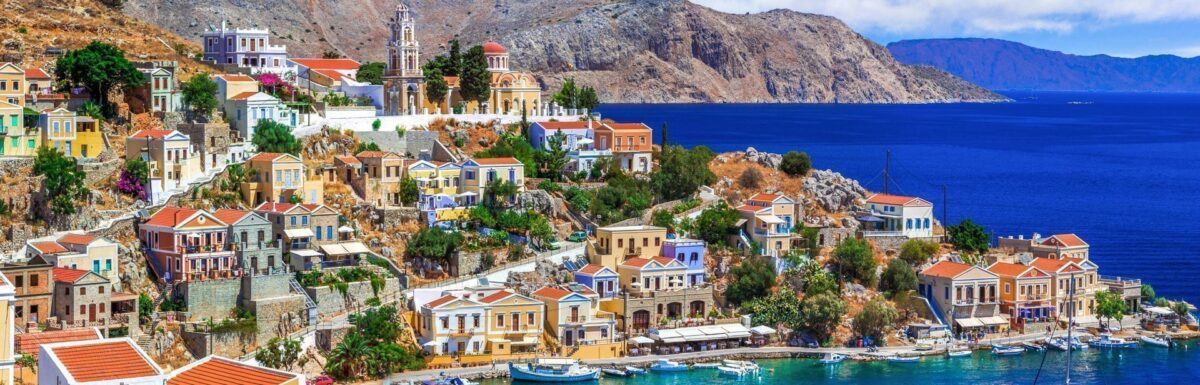
Nestled in the Dodecanese island complex, Symi is a lesser-known Greek gem that promises a serene and picturesque getaway.
Just 41 km northwest of Rhodes, this small and tranquil island captivates visitors with its vibrant harbour, striking neoclassical architecture, and laid-back atmosphere.
Whether you’re looking to immerse yourself in Greek culture or simply searching for a relaxing retreat, Symi has something to offer every traveller.
The best time to visit Symi is between Easter and early June, during the shoulder season when the weather is mild, and the prices for flights and accommodation are more affordable.
Expect to experience warmer temperatures during peak summer months, with August reaching highs of 34°C. Travelling to Symi is straightforward, as the island can be reached via ferry from neighbouring Rhodes.
While on this idyllic island, there are countless activities to engage in and sights to see.
From exploring the local events and stunning viewpoints to embarking on a memorable daily cruise, one can be sure to have an unforgettable experience in this beautiful corner of Greece.
Getting to Symi
By Ferry
Getting to Symi Island is fairly simple, and the ferry is the best way to do it. The schedules for the ferry vary throughout the year, with the summer season seeing more boats plying popular routes. Symi has two ports for ferries to arrive and depart: Symi Town and Panormitis.
It is most easily accessed from Rhodes or Kos by ferry or daily hydrofoil connections. Unfortunately, travelling by ferry from Athens is nearly impossible, as you would waste somewhere in the range of 10-15 hours. Therefore, it is recommended to reach Symi by ferry from nearby islands instead.
Below are some essential tips to keep in mind while taking a ferry to Symi:
- Book your ferry tickets online in advance to ensure availability.
- Keep track of the schedules as they are subject to change.
- The summer season has a higher frequency of ferries.
By Air
Symi Island does not have an airport. The nearest airport is the Rhodes International Airport (RHO), located on the nearby island of Rhodes. Flights to Rhodes are available from many cities in Europe, especially during the summer season. Once you arrive at Rhodes Airport, you can take a ferry or hydrofoil to Symi, as mentioned in the By Ferry subsection above.
To summarise the air travel route to Symi:
- Fly to Rhodes International Airport (RHO).
- Take a ferry or hydrofoil from Rhodes to Symi.
Remember, always use reliable sources to book your flights and tickets, and double-check the schedules before your trip to avoid any inconvenience.
Top Attractions
Monastery of Panormitis
The Monastery of Panormitis is a significant religious site on Symi Island, dedicated to the Archangel Michael. This picturesque, 18th-century monastery features stunning Byzantine frescoes and beautiful architecture. Visitors can appreciate the peaceful atmosphere, marvel at the religious art, and learn about the history of the monastery and its connection with sailors and fishermen seeking protection.
Symi Harbour
Symi Harbour is the island’s main gem, with its beautiful, pastel-coloured, neoclassical buildings lining the waterfront. The harbour is the perfect place to stroll, enjoy traditional Greek food at local tavernas, and savour the stunning views of the Aegean Sea. It’s also a great starting point for various water tours and excursions, with boats offering trips to nearby beaches and coves. Soak up the seaside atmosphere, and take outstanding photographs of this photogenic port town.
Ano Symi Town
Ano Symi Town, or Upper Symi, is located just above the port area, offering a glimpse into the island’s past. This charming settlement boasts narrow, winding streets, traditional stone houses, and vivid, colourful facades. As you explore the town, be sure to visit the impressive Church of St. John and the Folklore Museum, which displays fascinating artefacts related to the island’s history and culture. From Ano Symi, you can also enjoy panoramic views over the harbour and the surrounding island landscape.
Remember to respect the local customs, take your time discovering these top attractions, and enjoy the unique experiences that Symi Island has to offer.
Accommodation Options
Visiting the picturesque island of Symi in Greece offers a variety of accommodation options for different tastes and budgets. In this section, we will explore the three main categories: hotels, guesthouses, and holiday rentals.
Hotels
Symi boasts a range of hotels to cater to various preferences and budgets. Some of the top choices include the 1900 Hotel, which offers free WiFi, air conditioning, and a convenient location for exploring the island. Alongside these, there are other boutique hotels and locally-owned establishments to choose from as well. Depending on your requirements and budget, you can find a comfortable and well-serviced hotel to enjoy during your stay on Symi.
Guesthouses
For a more personal touch, consider booking a guesthouse on Symi. These often family-run accommodations provide a more intimate experience that allows you to appreciate the warmth of local hospitality. Guesthouses usually offer a cosier atmosphere, with fewer rooms and more personalised attention. They may also include additional amenities like homemade breakfasts, giving you a taste of traditional Greek cuisine.
Holiday Rentals
If you seek a more private and spacious option for your stay on Symi, holiday rentals are an excellent choice. These range from apartments to villas, giving you the flexibility to choose the size and style that suits your needs. Holiday rentals often come equipped with amenities such as a kitchen, which enables you to prepare your meals and save on dining expenses. This option is perfect for families, groups of friends, or travellers who prefer having their own space while enjoying the beauty and charm of Symi Island.
Food and Dining
Local Cuisine
Symi, a beautiful Greek island near Rhodes, offers a delightful culinary experience with its local cuisine. Greek food is known for its fresh ingredients, herbs, and distinct flavours. In Symi, dishes are typically made with locally sourced seafood, olive oil, and seasonal produce. Some popular local dishes include:
- Yiouvetsi: A baked pasta dish with meat, tomatoes, and cheese
- Stifado: A slow-cooked stew made with meat, onions, and tomatoes
- Souvlaki: Grilled meat skewers, often served with tzatziki sauce
- Mezedes: Small plates of various appetisers, perfect for sharing
Popular Restaurants
There are numerous eateries in Symi that cater to different tastes and cuisine preferences. Here are a few popular spots:
- Taverna Zoe: This cosy eatery offers delicious Greek dishes, featuring baked aubergine with feta, lamb chops, and hare stifado. The warm atmosphere and friendly staff make it a favourite among locals and tourists alike.
- Taverna O Haris: A great spot for seafood and Mediterranean cuisine, Taverna O Haris is praised for its fresh ingredients and exceptional flavours. With an extensive menu and waterfront location, it’s an ideal place to enjoy a meal while taking in the gorgeous views of Symi.
- The Secret Garden: Tucked away on the island, this charming Mediterranean and European restaurant boasts a beautiful garden setting and a diverse menu. Guests frequently praise the tranquil atmosphere and delicious food.
- Sunset Restaurant: Known for its stunning views and refined menu, Sunset Restaurant offers an elevated dining experience. Here, you can enjoy Greek cuisine and watch the sun set over the island.
To make the most of your time in Symi, be sure to try dishes from the traditional local cuisine and explore the variety of dining options available on the island.
Activities and Experiences
Beaches
Symi Island is home to several beautiful beaches worth exploring during your visit. Some of the most popular ones include:
- Nanou Beach: Known for its crystal-clear waters and pebbles, this picturesque beach is accessible by boat, making it a perfect escape from the crowds.
- Toli Bay: Tucked away in a stunning location, Toli Bay is well worth the effort to get there. Visitors can access it by boat, car, or even a quad for a more adventurous experience.
- Marathounda Beach: This unspoiled beach is perfect for relaxing and enjoying the sun. With a few tavernas nearby, you’ll have everything you need for a perfect day at the beach.
Boat Tours
One of the best ways to explore Symi Island is by boat. Several companies offer boat tours that showcase the stunning coastline and visit lesser-known beaches and coves. While on a boat tour, you may even have the chance to go snorkelling or swimming, adding a fun aquatic aspect to your adventure.
Hiking
Symi Island is crisscrossed with numerous hiking trails suitable for various skill levels. Some popular trails lead to great viewpoints and historical sites, such as:
- Panormitis Monastery: A well-marked trail will lead you to this impressive monastery dedicated to Archangel Michael. The hike is moderate in difficulty and provides stunning views of the surrounding area.
- Kastro: For a more challenging hike, head to the ruins of Kastro, an old castle built in 1407 by the Knights of St. John. The hike takes around 30 minutes and offers fantastic views of the island.
- Agios Nikolaos Church: Located near Kastro, this historic church is a great addition to your hike, well worth the journey for both the scenery and the religious experience.
By combining these activities and experiences, you’ll have a memorable and enjoyable visit to Symi Island.
Frequently Asked Questions
What to do in Symi?
Symi Island offers various activities for travellers. Some popular attractions include visiting the 18th-century Panormitis Monastery, exploring the pastel-coloured houses in Gialos harbour, lounging on the picturesque beaches like Marathounda Beach and Toli Bay, and taking in the stunning views from Kali Strata, a famous staircase with 164 steps.
How to get to Symi?
To reach Symi Island, you will need to travel by boat as there is no airport on this small island. There are limited ferry connections that connect Symi with Rhodes, Kos, and Tilos. The island is located approximately 25 miles north of Rhodes.
Symi travel tips?
When visiting Symi, consider the following tips:
- The best time to visit is in the shoulder seasons of spring and autumn to avoid large crowds and enjoy milder temperatures.
- Make sure to bring comfortable walking shoes as the island can be steep and uneven in places.
- Always carry sunscreen, sunglasses, and a hat to protect yourself from the sun.
- Respect local customs and dress modestly, especially when visiting religious sites.
How long to stay in Symi?
The ideal length for a visit to Symi depends on individual preferences and available time. However, most visitors find that a 2-3 day stay allows enough time to explore the island’s attractions and soak up the local atmosphere.
Is Symi walkable?
Yes, Symi is a walkable island. Its small size and stunning scenery make it an ideal destination for exploring on foot. Keep in mind that some areas may have steep inclines and uneven terrain, so wear comfortable walking shoes and be prepared for a bit of a workout.
Symi’s attractions?
Some of the must-see attractions on Symi Island include:
- Gialos harbour: A picturesque harbour with an amphitheatre of pastel-coloured houses
- Panormitis Monastery: An 18th-century monastery dedicated to Archangel Michael
- Kali Strata: A dramatic staircase with 164 steps offering beautiful views
- Marathounda Beach and Toli Bay: Beautiful beaches ideal for swimming and sunbathing
- Saint George Bay and Paralía Agíou Nikoláou: Picturesque bays with crystal-clear waters perfect for enjoying water activities.

Eleni Vasiliadis, a native of the picturesque island of Corfu and co-founder of Greek Island, is a seasoned traveller, accomplished writer, and passionate advocate for Greek culture and cuisine.